



A strong community helps a crypto project stay visible and better understood for participants. A startup can build a brilliant protocol, polish its tokenomics, and spend months writing documentation, but if you launch without a loyal, engaged, and genuinely interested community, you’re essentially shipping into a vacuum.
In Web3, adoption comes from people who stick around, ask questions, experiment, challenge your assumptions, and eventually start explaining your product better than your own team.
Crypto community management building is a mix of product education, support during stressful moments, crisis navigation, culture building, day-to-day communication and setting clear expectations for members.
In this guide, we’ll break down what actually works today, what has changed, and how to design an involved community that remains active over time.
Why community matters more than ever
Crypto has always been social, even before it became fashionable to call everything a DAO or “community-led.” Three things are true today:
1. An active community is a credibility filter. New users first check a project's Telegram chat and Discord activity before ever looking at the whitepaper.
2. Community-led growth beats paid acquisition. When people feel part of something meaningful, they explain it to others. And crypto spreads through conversations far more efficiently than through banners.
3. A strong community softens volatility. Market dips don’t hit as hard when users understand your roadmap and stick around. Projects without that resilience disappear at the first sign of turbulence.
The reason why many projects stumble is that they open channels, drop a few welcome messages, schedule an AMA, run an airdrop, and then wonder why nothing grows organically.
They treat a community as a finished product, even though it takes ongoing care.” We’ve seen it play out repeatedly:
- Bitcoin grew because its community kept the narrative alive through every cycle.
- Ethereum gained dominance because developers, not marketers, championed it.
- Polkadot scaled because its supporters shaped real participation around parachain auctions.
It was community coordination. Below are the foundational elements for building a strong and devoted crypto community.
Understand your community’s goals and culture
Crypto community management emphasizes early research because it informs everything else, including tone, content cadence, and even the choice of platforms. Communities form around shared purpose. Users want to understand clearly:
- Why your project exists
- What problem does it solve
- What you believe in
- How do you make decisions
- Where is the project heading?
When your community knows your values, they begin communicating.
For example, Ethereum’s early culture with open-source contribution and decentralization created its entire movement.
Some teams conduct surveys or informal interviews to gather insights. Others observe interactions on Discord or X (Twitter) to notice patterns in language, humor, or topics of interest. Treating these audiences the same way will lead to missing the mark. If the members joke in memes, engage in that style. If they prefer formal discussions, align with that.
A subtle but effective practice is mirroring language and sentiment. The goal is to make communication feel natural and relevant.
Be transparent and consistent in communication
Here’s where many teams run into difficulties at the stage of transparency and communication. Members can detect spin or vague messaging from a mile away. Delays in addressing bugs, sudden tokenomics changes, or unclear roadmaps can trigger distrust.
Communities thrive on dialogue, debate, and recognition. That means enabling messy critical discussions and responding thoughtfully.
A practical approach is regular updates, a weekly brief on development progress, community questions, and upcoming milestones signal that the project values its members’ attention.
When you use the same scheduling tools and community management bots, like Discord or Telegram, you free up managers from doing the same boring tasks over and over.
Foster two-way engagement
Things like surveys, Q&A sessions, and feedback loops have been around forever, but most managers don’t use them nearly enough. Run a survey about token utility or ask the community what they really want. You’ll get insights you’d never find on your own.
Reward programs work, too. Give people incentives for staying active or recognize them with tokens — they notice. Toss in some gamified challenges, let folks complete tasks, share their own ideas, or help out newcomers. When they can earn badges or tokens for it, you’ll see way more energy and motivation.
Participation often drops when members aren't sure how to contribute. If channels are difficult to navigate, overloaded with uninformative notifications, or unclearly described rules, engagement will stall. Proactive moderation and a well-designed funnel ensure that participants don't become frustrated with interaction.
Many communities post endlessly but say nothing meaningful. A more effective approach is:
- Short, useful updates
- Transparent roadmap communication
- Open discussions
- AMA sessions that have both technical and conversational depth
- Polls where the community’s opinion genuinely shapes something
- Micro-content: tips, reminders, showcases.
Use the right platforms
Key platforms for crypto management:
Telegram brings immediacy, simplicity, and wide reach. Discord on its part offers structure, identity, and deeper engagement depth. X (Twitter) in turn adds visibility, amplification, and external influence.
Crypto community management tools differ by platform:
- Discord bots can handle onboarding, polls, or content scheduling.
- Telegram bots can automate alerts and manage spam.
- On X, listening tools can track sentiment or key mentions.
Reddit and LinkedIn cater to more specialized or professional conversations. They're suitable for creating closed micro-communities around specific interests. For example, a DeFi protocol with a dedicated Reddit for developer discussions or a private LinkedIn group for connecting with stakeholders.
Build reputation through moderation and security
Talk about avoiding spam, scams, and misinformation. Mention establishing clear group rules and using trusted moderators. They often emerge organically from long-time members who exhibit judgment in disputes. Blum Academy experts advise combining volunteer moderators with Web3 community management services to ensure coverage 24/7.
Security connects closely with moderation, as crypto communities are often targeted by phishing and fake token giveaways. Inform participants of the risks and integrate verification.
What to focus on with moderation and security:
- Establish clear rules about acceptable behavior and content sharing.
- Use trusted moderators who resolve conflicts diplomatically.
- Leverage bots for automating spam detection and scam link filtering.
- Implement security measures using multifactor authentication for channel access.
Use incentives and gamification
In crypto communities, incentives and rewards can take the form of NFTs, badges, or token-based reward systems. Gamification is recognizing users' contributions in ways that feel tangible and desirable.
Effective strategies include the following:
- Reward badges for activity, contribution, or participation in events.
- Provide unique NFTs representative of the milestones or any particular achievements.
- Offer points or tokens for engagement that can be exchanged for perks or privileges.
Give your loyal members early access to new features, beta tests, and invite-only events. When you build these systems with care, you create a sense of belonging. People start to see their own activity as a meaningful part of something bigger, and that connection keeps them coming back.
Collaborate with influencers and partners
Co-host events with the community, such as Run AMAs, webinars, live broadcasts, and discussions, in order to increase reach and build a pool of relevant members who would drive engagement. Some projects align both parties' interests with token grants or access to special governance features. Ensure partners reflect your community's values and culture for authenticity.
Track metrics and improve
The main crypto manager`s mistake is managing what you don’t measure. Engagement rates, member growth, retention, and sentiment are core indicators of an involved community.
Tools & techniques:
- Discord and Telegram analytics dashboards
- Third-party tools like Guilded, Combot, or Statbot
The practical experience forming our recommendations
A clear example of hands-on crypto community management comes from working with the Hodl.fm X account. The audience there reacts strongly to timely updates on market shifts, short educational threads, and posts that keep conversations moving. When a major token announcement or unexpected market swing hits the timeline, engagement tends to rise if the post explains the situation quickly and in plain language.
Lighter content, such as memes tied to current events, often encourages replies from regular followers, while polls help surface what topics people want to see next.
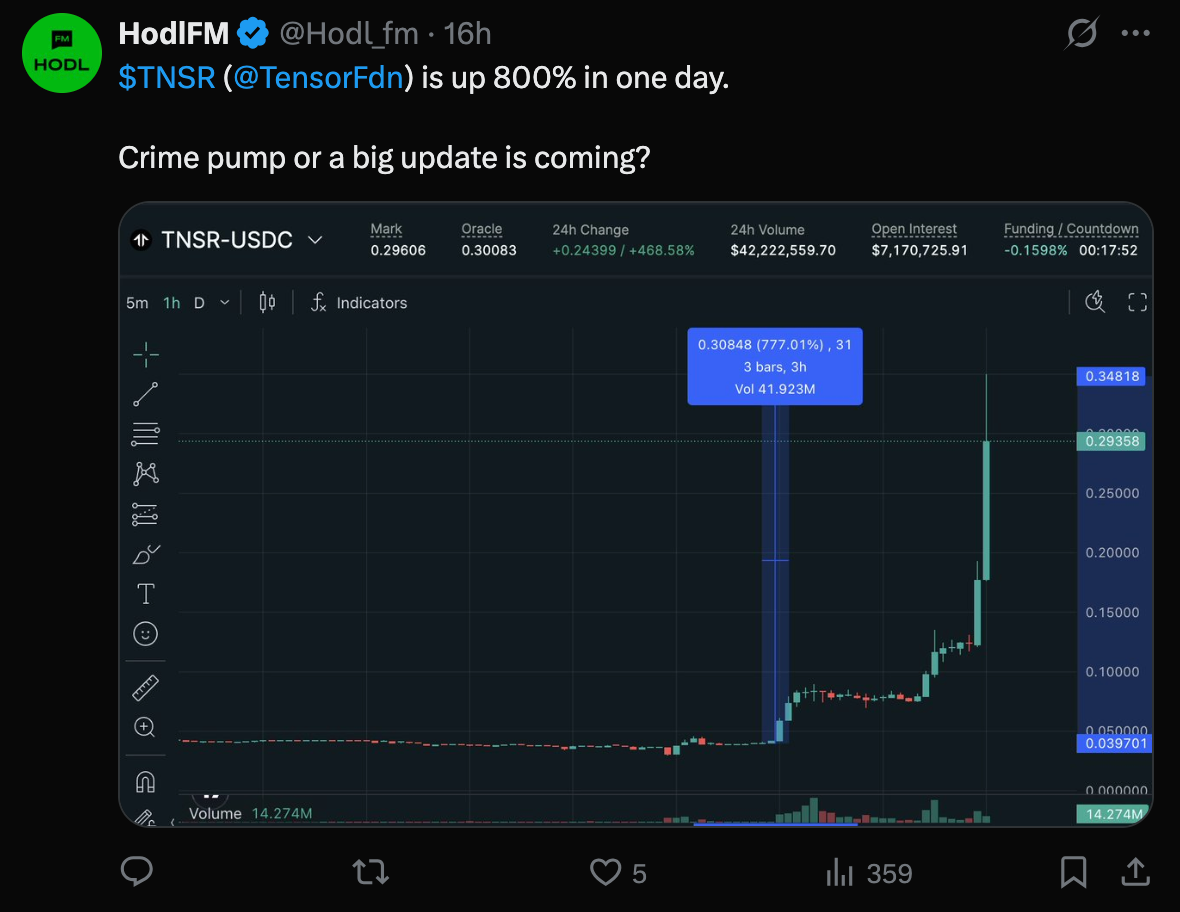
Over time, consistent monitoring of reactions, repost patterns, and comment sentiment shaped a posting rhythm that fits how this audience behaves throughout the week.
This experience showed how responsive content, steady interaction, and clear pacing help an account maintain an active group of readers who return for updates and participate in ongoing discussions.
Conclusion
New tools and platforms pop up all the time, and everyone’s got a fresh idea for gamifying things. But in a crypto community building many still rely on familiar practices such as consistent updates and a moderation routine, while the real keys are pretty old-school: open communication and human engagement to show members their input matters..
Active communities are living ecosystems that respond to changes and stay involved constantly. Projects that mix crypto marketing strategy with real human insight stand a chance at building loyalty. That’s how you keep people engaged and invested for the long haul.
 Gunel Ismayilova
Disclaimer: All materials on this site are for informational purposes only. None of the material should be interpreted as investment advice. Please note that despite the nature of much of the material created and hosted on this website, HODL FM is not a financial reference resource, and the opinions of authors and other contributors are their own and should not be taken as financial advice. If you require advice. HODL FM strongly recommends contacting a qualified industry professional.