





Cryptocurrency has created some of the fastest-growing fortunes in history.
Unlike traditional billionaires, most crypto wealth comes from early adoption, ownership of coins, or founding and running exchanges and stablecoin platforms.
Prices fluctuate wildly, so net worths can swing by billions in a matter of weeks.
Here’s a snapshot of the leading crypto billionaires today, their holdings, and how they built their fortunes.
1. Changpeng “CZ” Zhao – $65.2B – Binance Coin (BNB)
Changpeng “CZ” Zhao founded Binance in 2017, which quickly became the world’s largest cryptocurrency exchange. Most of his wealth comes from Binance equity and BNB tokens. Binance’s daily trading volumes routinely exceed $50 billion, and CZ’s net worth has grown sharply with BNB price surges, particularly after 2021’s bull run.
Regulatory scrutiny has caused short-term dips, but his position remains dominant.
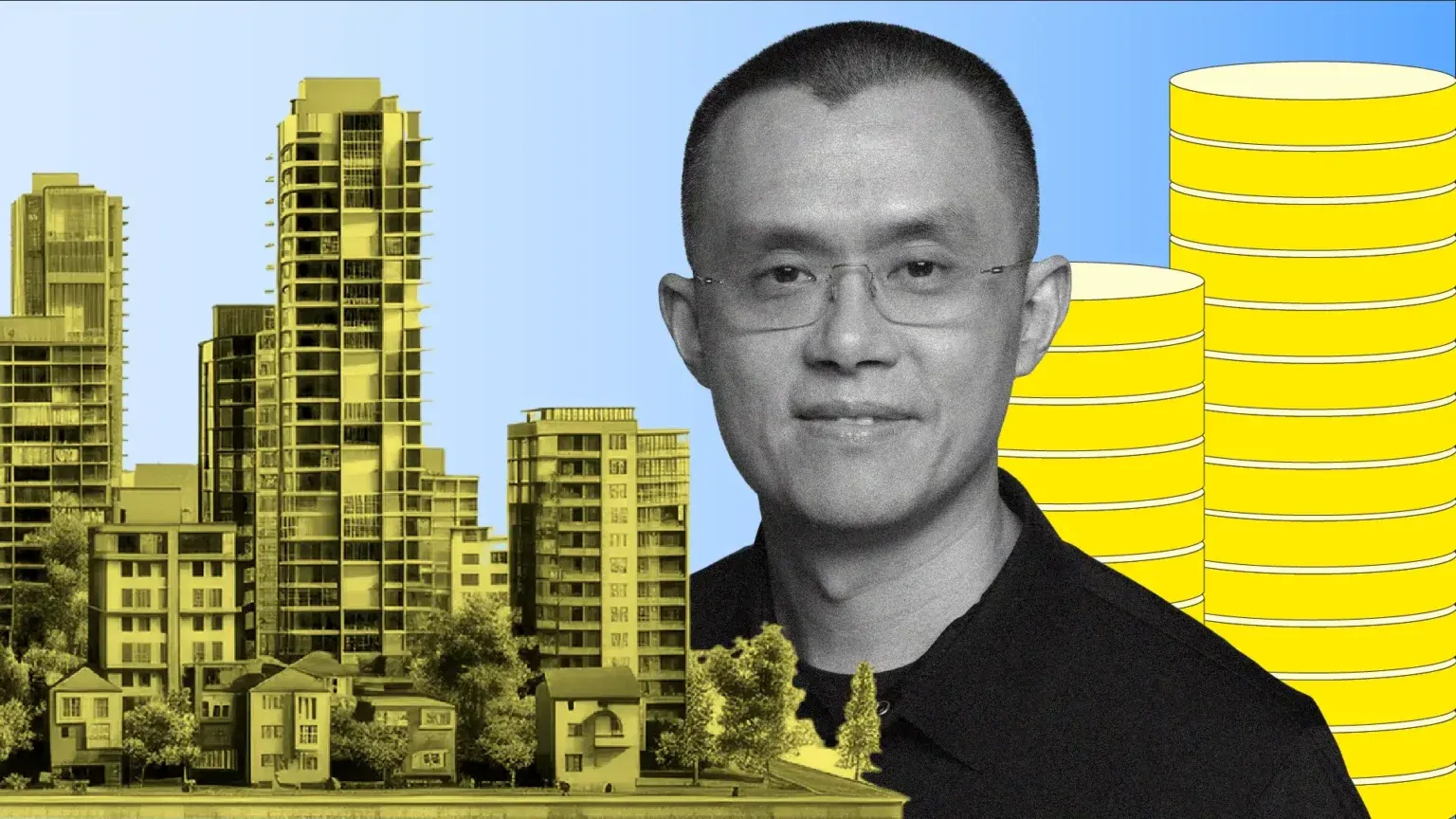
Net worth growth (est.):
- 2021: $8B
- 2022: $16B
- 2024: $52B
- 2026: $65B
2. Giancarlo Devasini – $22.4B – Tether (USDT) / Bitcoin (BTC)
Tether’s co-founder and CFO, Devasini, oversees the most widely used stablecoin in crypto trading. His wealth grew steadily as Tether became central to global crypto transactions, facilitating roughly 70% of trading volume. Devasini also holds significant Bitcoin, giving him exposure to both stable and volatile assets.
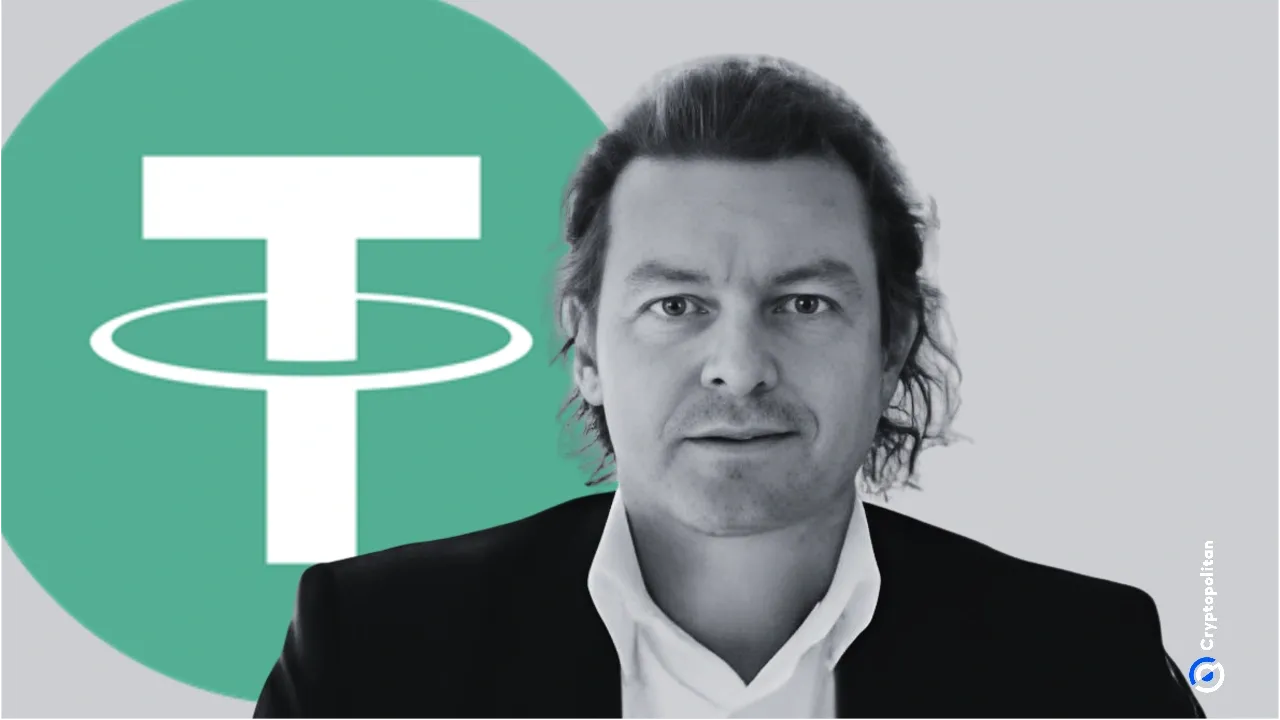
Net worth growth (est.):
- 2020: $5B
- 2022: $12B
- 2024: $18B
- 2026: $22B
3. Brian Armstrong – $12.7B – Coinbase / Ethereum (ETH)
Armstrong co-founded Coinbase, the largest U.S. crypto exchange. His wealth comes from Coinbase stock, which saw major growth during the 2021–2022 bull run, and Ethereum holdings. Coinbase’s revenue from trading fees and staking services has been a key driver of his fortune.
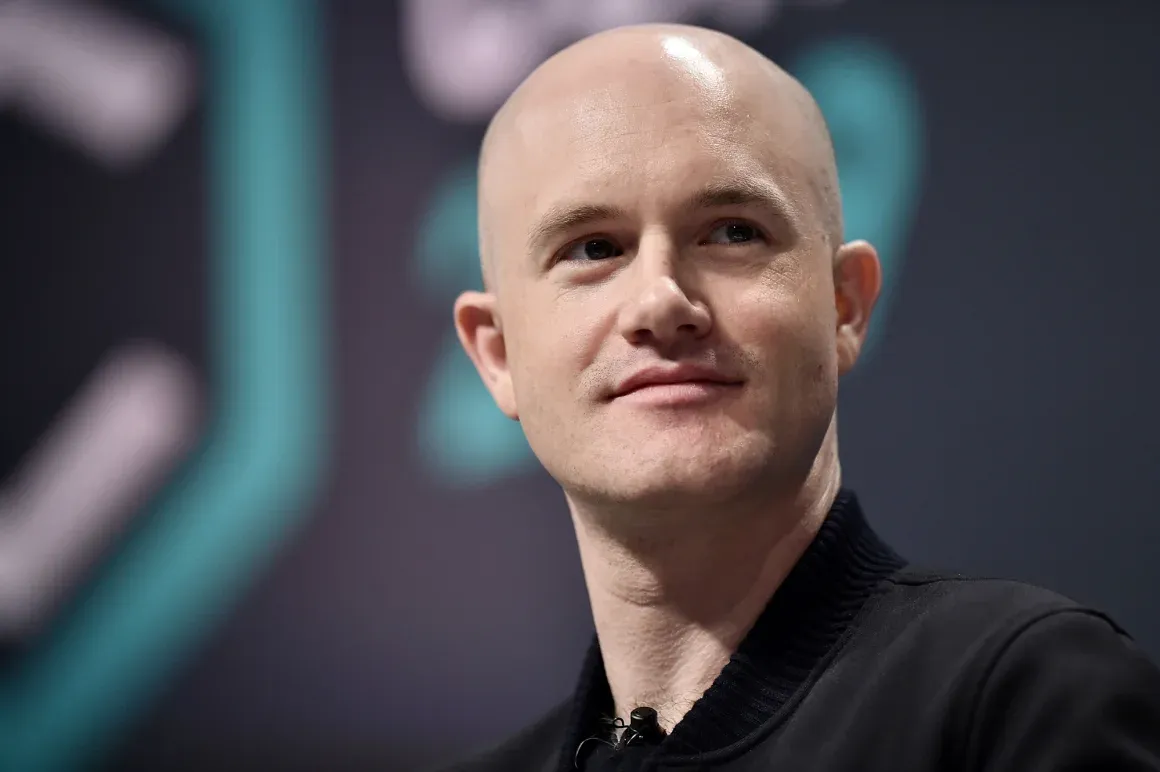
Net worth growth (est.):
- 2020: $1.8B
- 2021: $6.5B
- 2022: $11B
- 2026: $12.7B
4. Michael Saylor – $9.4B – Bitcoin (BTC)
MicroStrategy’s executive chairman, Michael Saylor, bet heavily on Bitcoin starting in 2020. The company has bought over 673,000 BTC, making it one of the largest corporate holders. Saylor’s net worth has tracked Bitcoin’s price closely, surging during bull markets and dipping during corrections.
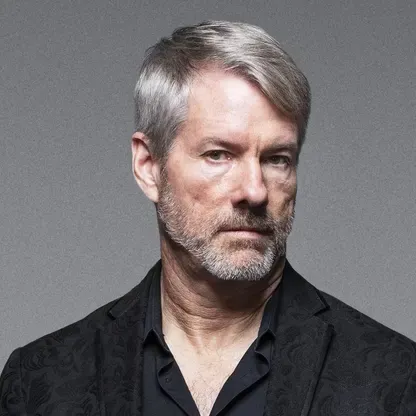
Net worth growth (est.):
- 2020: $2B
- 2021: $5.8B
- 2023: $8.7B
- 2026: $9.4B
5. Paolo Ardoino – $9.5B – Tether (USDT)
Tether’s CTO and Bitfinex CEO, Ardoino’s fortune comes from equity stakes in these companies. He’s responsible for maintaining Tether’s technical stability and security, which underpins much of crypto trading liquidity.

Net worth growth (est.):
- 2020: $3B
- 2022: $7B
- 2024: $8.8B
- 2026: $9.5B
6. Jean-Louis van der Velde – $9.5B – Tether / Bitcoin (BTC)
CEO of Tether and Bitfinex, van der Velde oversees global operations. His Bitcoin holdings complement his Tether wealth, and his net worth has grown steadily alongside the increasing use of stablecoins in crypto markets.

Net worth growth (est.):
- 2020: $4B
- 2022: $7.5B
- 2024: $8.9B
- 2026: $9.5B
7. Justin Sun – $8.5B – TRON (TRX)
Founder of TRON, Sun also has stakes in BitTorrent and Poloniex. His wealth comes from early TRX adoption, token holdings, and high-profile investments. Sun’s net worth has been volatile due to token price swings and regulatory scrutiny.

Net worth growth (est.):
- 2020: $1B
- 2021: $3.6B
- 2022: $7B
- 2026: $8.5B
8. Chris Larsen – $7.5B – Ripple (XRP)
Co-founder and former CEO of Ripple, Larsen built his fortune through XRP holdings and company equity. Despite ongoing SEC litigation, Ripple adoption in cross-border payments has kept his net worth substantial.

Net worth growth (est.):
- 2018: $3B
- 2020: $4.5B
- 2022: $6.7B
- 2026: $7.5B
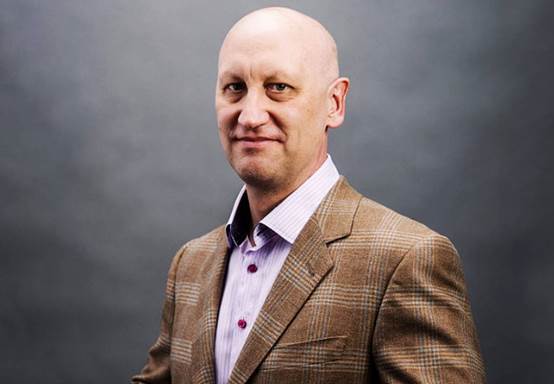
9. Stuart Hoegner – $6.2B – Tether (USDT)
Hoegner was general counsel for Tether and Bitfinex. His stake in Tether, combined with earnings from interest on collateral reserves, has accumulated steadily, despite regulatory pressure over the years.
Net worth growth (est.):
- 2020: $2B
- 2022: $4.7B
- 2024: $5.5B
- 2026: $6.2B
10. The Winklevoss twins – $3.7B – Bitcoin (BTC)
Cameron and Tyler Winklevoss were early Bitcoin adopters and founded Gemini. Their wealth grew as BTC’s price rose, and Gemini’s exchange operations provide ongoing revenue. They also invested in NFTs and blockchain infrastructure, diversifying their holdings.

Net worth growth (est.):
- 2013: $100M
- 2017: $500M
- 2021: $3B
- 2026: $3.7B
How crypto wealth forms and how it changes
Crypto wealth does not accumulate evenly or predictably. Among today’s crypto billionaires, fortunes tend to form in distinct ways, often tied to timing, concentration, and infrastructure ownership rather than diversified investing.
Most crypto billionaires built their net worth around a single dominant exposure.
- Michael Saylor holds the vast majority of his wealth in Bitcoin, accumulated primarily between 2020 and 2022, when prices ranged roughly from $7,000 to $45,000. As Bitcoin crossed six figures in later years, that concentrated position translated directly into billions in net worth swings.
- Changpeng Zhao’s wealth remains closely linked to Binance Coin (BNB), whose value expanded alongside Binance’s trading volume growth. When BNB rose sharply during exchange expansion phases, Zhao’s net worth followed almost mechanically.
This pattern repeats across the list: Armstrong with Coinbase equity and ETH, Devasini and Ardoino through Tether-related revenue, Larsen through XRP holdings.
In traditional finance, wealth growth often follows revenue growth. In crypto, price movement leads.
Between major market cycles, many listed individuals saw net worth changes of several billion dollars within a single year, often without corresponding changes in business operations. A 50–70% move in Bitcoin or Ethereum pricing alone was enough to reshape rankings.
For example:
- During Bitcoin’s recovery phases, large holders like Saylor, the Winklevoss twins, and Roszak experienced year-over-year increases measured in billions.
- During drawdowns, paper wealth contracted just as quickly, even when long-term holdings remained untouched.
Infrastructure beats speculation
A clear divide appears between those who built platforms and those who primarily hold tokens.
- Exchange and stablecoin operators such as Armstrong, Devasini, Ardoino, and Hoegner derive wealth from operational cash flow as well as token exposure.
- Pure holders depend almost entirely on market price appreciation.
This distinction matters. During weaker market periods, infrastructure-backed fortunes tend to fluctuate less aggressively than holdings-only wealth.
Stablecoins quietly changed the wealth map
Tether-related executives represent a different model altogether. Their wealth grew alongside stablecoin circulation, treasury yields, and transaction volume rather than token price appreciation.
As stablecoin supply expanded from under $100 billion earlier in the decade to several hundred billion later on, the economics of issuance, reserves, and interest income became a significant driver of private wealth, largely independent of Bitcoin’s day-to-day volatility.
Liquidity is not guaranteed
Large crypto fortunes are visible, but not always liquid.
Selling even a small percentage of holdings can materially affect markets, especially for founders with outsized token ownership. As a result, many fortunes remain largely unrealized, with actual cash extraction occurring slowly through structured sales, loans, or dividends.
This reality explains why net worth figures can change dramatically on paper while personal financial behavior remains relatively stable.
Year-over-year changes make these patterns clear: big swings, fast growth, and concentrated holdings dominate the landscape.
 Jordan V.
Disclaimer: All materials on this site are for informational purposes only. None of the material should be interpreted as investment advice. Please note that despite the nature of much of the material created and hosted on this website, HODL FM is not a financial reference resource, and the opinions of authors and other contributors are their own and should not be taken as financial advice. If you require advice. HODL FM strongly recommends contacting a qualified industry professional.