





Spot trading volumes on decentralized exchanges (DEXs), according to CoinGecko, reached an all-time high of $419.76 billion in October, despite a broader market correction. Also, in November 2025, the DEX-to-CEX spot volume ratio had remained close to 20.0% for five consecutive months.
Rachel Lin, co-founder and CEO at SynFutures, about DeFi:
“DeFi has come a long way since the boom-and-bust cycle of 2020’s DeFi Summer...The bear market in 2023 and 2024 washed out many DeFi projects that lacked a product-market fit, and forced other DeFi platforms to mature, focusing on infrastructure and achieving real adoption.”
Together with the overall DeFi market, decentralized crypto exchanges have sought to deliver similar speed and user experience, inherent in many centralized platforms. Among the 1,1k+ DEXes, here is a list of decentralized exchanges that deserve attention.
What makes a great DEX in 2026
When you are looking at DEXs, there are some things to evaluate. One of the important aspects is security. Leverage the platform that has a history of being secure, because if there is one bug, it can cost millions of dollars.
Next, think about liquidity. It is measured by the indicator TVL – the amount of money that people have invested in a protocol. If there is a lot of liquidity, you can make trades without causing changes in the price.
Fees are also something to consider. These include things like gas costs on the blockchain and the fees that the platform charges. If you don't pay attention to these fees, they can really hurt your profits. DEXs can incur significant fees, so it's essential to be cautious. Multi-chain support, or how well a DEX integrates with other protocols, unlocks complex strategies.
Meanwile, user experience, such as seamless wallet integration with tools like MetaMask can be a dealbreaker. Decentralization through community governance keeps the spirit alive, and reputation ties it all together.
Defining the key aspects to pay attention to, we now turn to the favorites for 2026.
Top 7 decentralized exchanges to watch
Uniswap
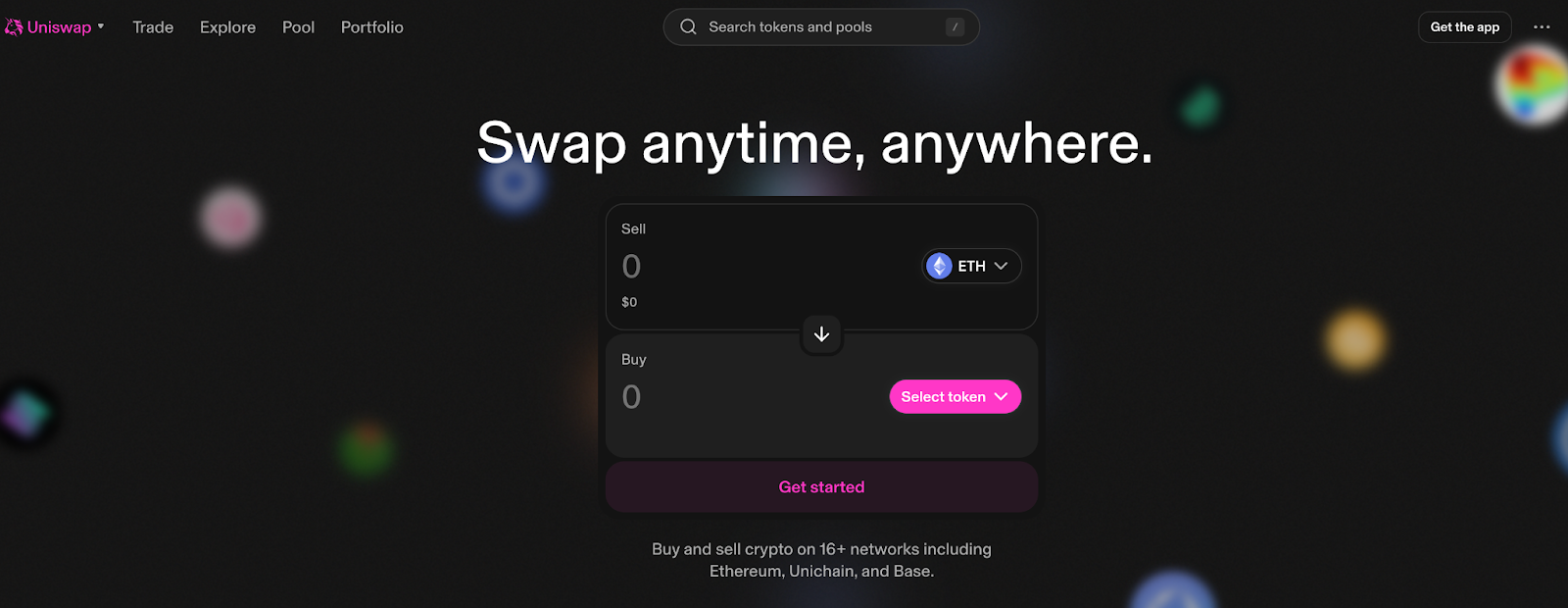
Uniswap designed the automated market maker model on Ethereum and has grown to be a famous DEX in DeFi. It continues innovating with Uniswap V4 and its own L2 called Unichain.
The platform's supported chains include Ethereum mainnet, major Layer-2s (e.g., Arbitrum, Optimism, Base, Polygon, BNB Chain, Avalanche, World Chain, zkSync, Blast, Celo), and multiple EVM-compatible chains via bridge integrations.
Concentrated liquidity and modular pool customization with Hooks allows developers to add additional logic, such as dynamic market fees and KYC gates for institutional investors. Deep liquidity across thousands of tokens and efficient multi-hop routing. Also, self-custody Uniswap wallet for swapping, sending, bridging, and exploring apps across 15+ networks.
Looking at the forthcoming Uniswap plans, V4 brings customizable on-chain logic, lower gas costs on Unichain, and improved capital efficiency.
For those who are watching developer-friendly architecture and multi-chain reach its a great choice.
PancakeSwap

PancakeSwap launched in 2020 as a BNB Chain DEX with low fees and broad user adoption; now growing into a multi-chain hub. As Cryptobriefing reported, PancakeSwap saw $293 million in 24-hour trading volume and $1.17 billion in 7-day trading volume on the Base blockchain. This surpasses Uniswap's $203 million and $949 million, respectively, on January 5, 2026.
DEX stands out with ultra-low fees and fast execution. Gamified yield farms, NFT marketplaces, and launchpad support. Cross-chain between BSC, Ethereum, and Polygon, and liquidity incentives. It supports BNB Smart Chain, Arbitrum, opBNB, Base networks, and bridges to other EVM networks.
Future plans include V4 introducing Singleton architecture, new pool types, and ecosystem tools for token launches. PancakeSwap remains one of the most accessible DEXs for retail users globally due to low cost and broad incentives.
dYdX Chain
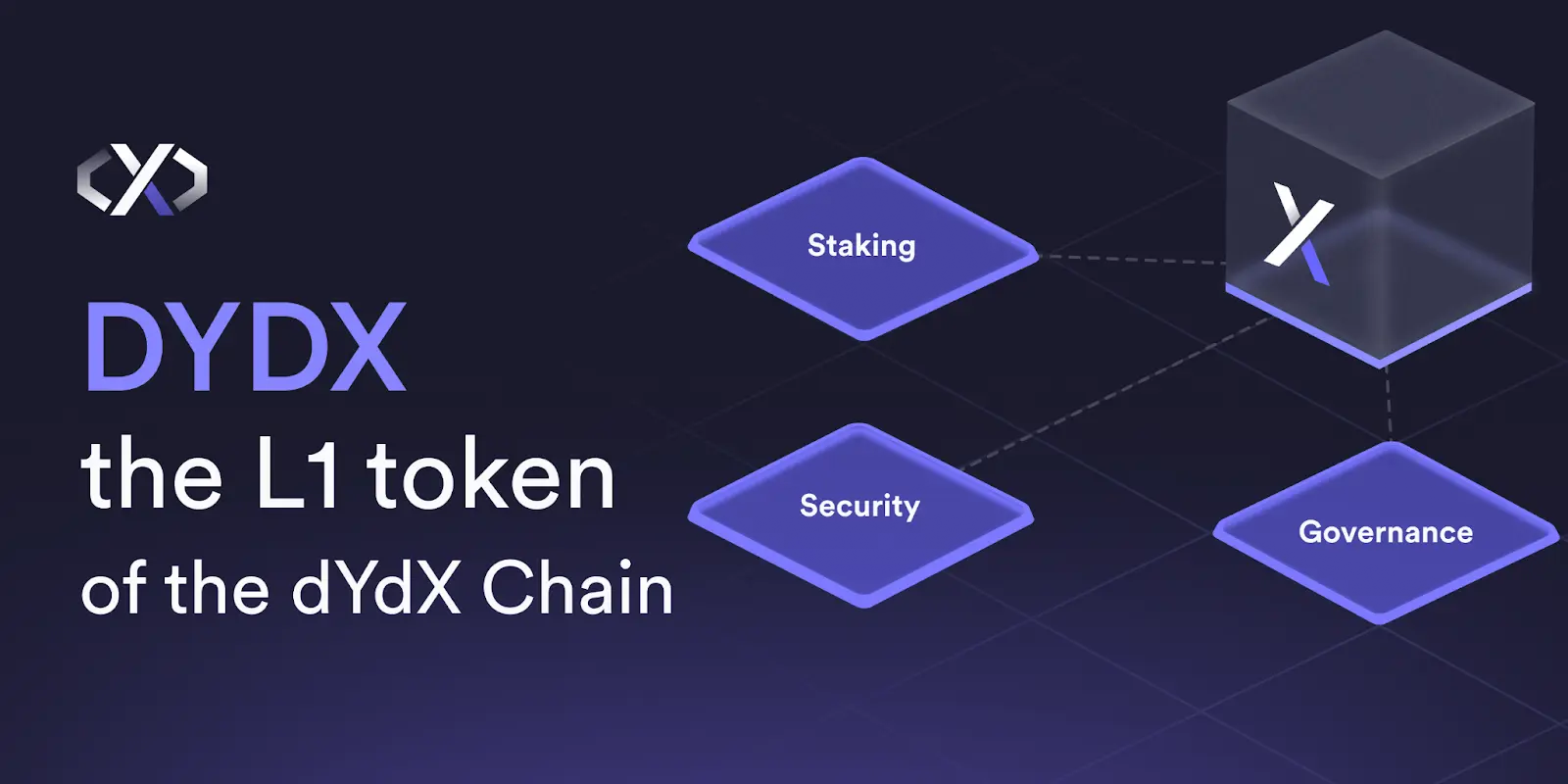
Originally a derivatives DEX built on L2 tech, dYdX transitioned to its own Cosmos-based blockchain optimized for decentralized order books and perpetuals trading, with perpetual futures and margin products dominating.
PnL history allows all traders to track their past performance and see funding rates directly on the frontend. Social login with Turnkey allows you to instantly log in and deposit using Google, Apple, or Passkey. Non-custodial high-performance order-book trading. Advanced order types (TWAP, scale, cross positions). Institutional and API trading enhancements.
It is planned to add to the exchange in 2026 a Telegram trading bot, partner revenue sharing, Solana spot markets, enhancements to MegaVault software that encourage operators to further strengthen liquidity, and a native dYdX Chain with cross-chain bridges.
As a limitation, it should be noted that perpetual trading is not available in the US, Canada, or other restricted jurisdictions.
Curve Finance

Curve specializes in stablecoin and pegged asset swaps with minimal slippage, using the StableSwap curve algorithm. Supported Ethereum and many Layer-2s; key pools for stablecoin and liquid staking token swaps.
It is worth attention due to extremely low fees and slippage for correlated assets, strong yield incentives via staking and governance (veCRV model) and deep integrations with broader DeFi stacks. Planned ongoing enhancements to pool math and new liquidity strategies optimized for low-risk yield.
Zealynx, a blockchain security auditing company, about Curve Finance:
‘Integrating with Curve Finance is a powerful way to leverage deep liquidity and advanced AMM capabilities, but it demands a high level of technical rigor and security awareness.’
SushiSwap
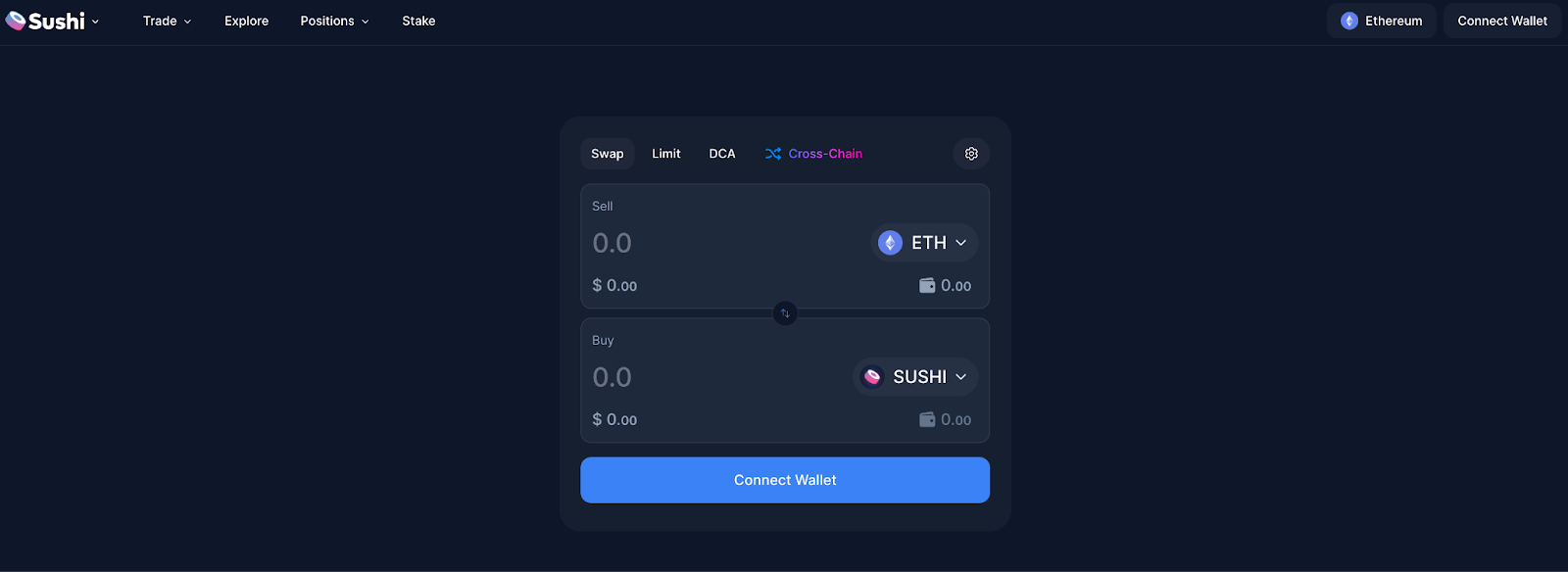
SushiSwap, forked from Uniswap, expands into a multi-chain ecosystem with aggregated liquidity and cross-chain routing with30+ EVM-compatible chains plus incubated DEXs.
DEX can deliver atomic cross-chain swaps, meaning traders can swap ETH on Ethereum for SOL on Solana in one transaction. Liquidity incentives and governance tools. Aggregated routing across multiple liquidity sources. “Franchise Model” that shares routing with the main hub and provides additional liquidity (e.g., Wara on Solana or Saru on Aptos are Sushi-incubated DEXs).
Strong multi-chain reach and aggregation tech make SushiSwap dynamic for yield farmers and cross-chain traders.
Jupiter
Jupiter is Solana’s leading DEX aggregator, routing trades across AMMs like Serum, Raydium, and more for optimal pricing. Primarily dedicated to Solana tokens, with aggregation across many Solana DEXs and liquidity sources.
Thanks to connections to over 20 Solana DEXs and liquidity sources, and scans all available pools and splits or routes orders optimally to minimize slippage. Limit orders and expanding perp/lending integrations. Low fees and near-instant swaps thanks to Solana throughput.
Jupiter roadmap 2026 includes the launch of the JupUSD stablecoin and expanding stablecoin + DeFi utility suite.
THORChain
ThorChain enables native asset swaps across chains without wrapped tokens via its bonded node network. DEX supports multi-chain, including Bitcoin, Ethereum, BNB-Chain, Avalanche, Cosmos-Hub, Dogecoin, Bitcoin-Cash, Litecoin, Base, Ripple, and TRON.
Among the features that can be highlighted are easily cross-chain swaps with native assets without the risks of bridges and wrapped assets. Secured by RUNE, which provides economic security and liquidity to the network. Anyone can use ThorChain to swap native assets between any supported chains or deposit assets to earn yield from swaps. Community-governed DAO and liquidity provision tools.
ThorChain represents a unique niche in DeFi for cross-chain swapping without bridges, with ongoing expansion to more chains and security enhancements for cross-chain modules.
Risks and challenges ahead for DEXes
Smart contract bugs, bridge exploits, and regulatory crackdowns lead the pack as the biggest risks with DEXs.
- Smart contract vulnerabilities: The most significant risk for DEX exchanges stems from their use of smart contracts. If implemented incorrectly, the loss of funds is irreversible.
- Bridge failures: Protocols like Uniswap, SushiSwap, and others use bridges like LayerZero and Wormhole to unlock liquidity across multiple chains. However, this increases the risk of bridge exploitation.
- Regulatory pressure: Not all DEXs are fully decentralized. Some aspects of exchange operations remain centralized to maintain speed and efficiency. Next, some exchanges have large whales or a central authority that can influence the direction of the DEX.
Final thoughts
The full potential of decentralization remains to be realized in 2026 and beyond, leading to the achievement of legalized financial freedom. Altcoin ecosystems and Layer-2 solutions are fuel to realizing the financial approach best decentralized exchanges strive for. Watch the developments and explore the platforms responsibly.
 Gunel Ismayilova
Disclaimer: All materials on this site are for informational purposes only. None of the material should be interpreted as investment advice. Please note that despite the nature of much of the material created and hosted on this website, HODL FM is not a financial reference resource, and the opinions of authors and other contributors are their own and should not be taken as financial advice. If you require advice. HODL FM strongly recommends contacting a qualified industry professional.