





Bitcoin’s mining difficulty ended 2025 near record levels and is expected to increase again in early January, as faster-than-target block production triggers another upward adjustment.
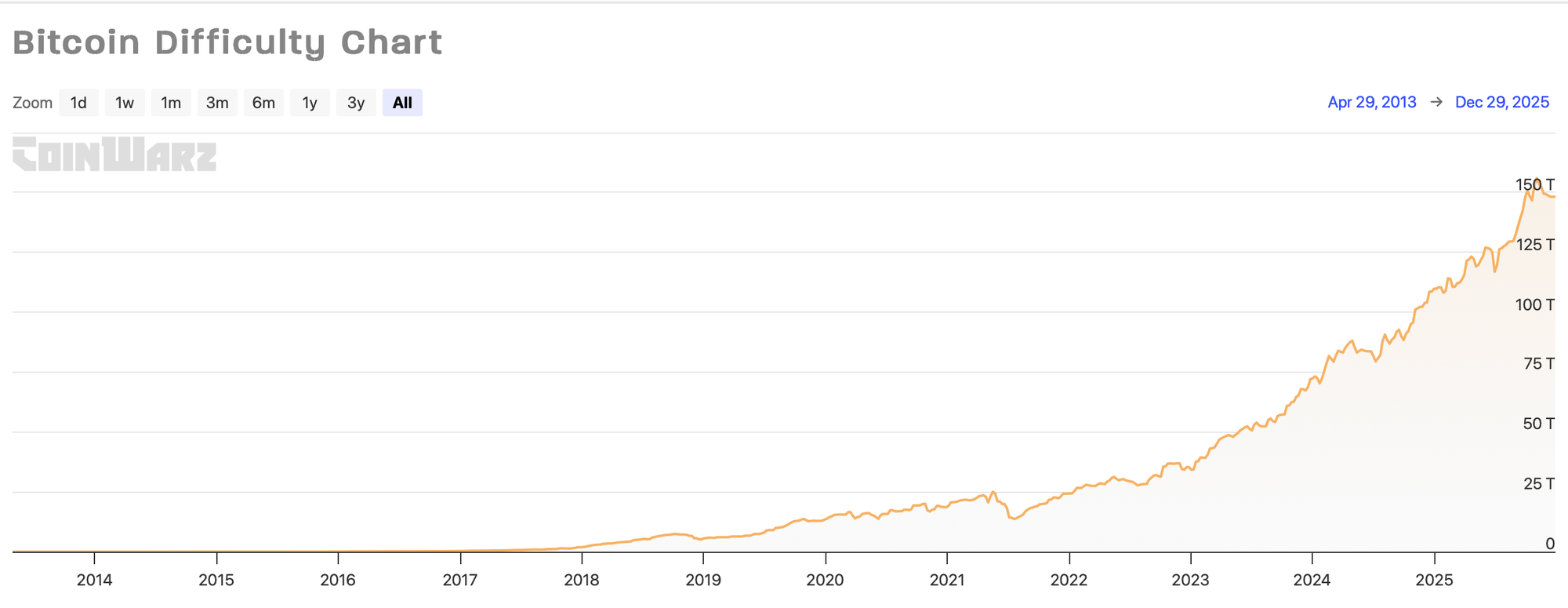
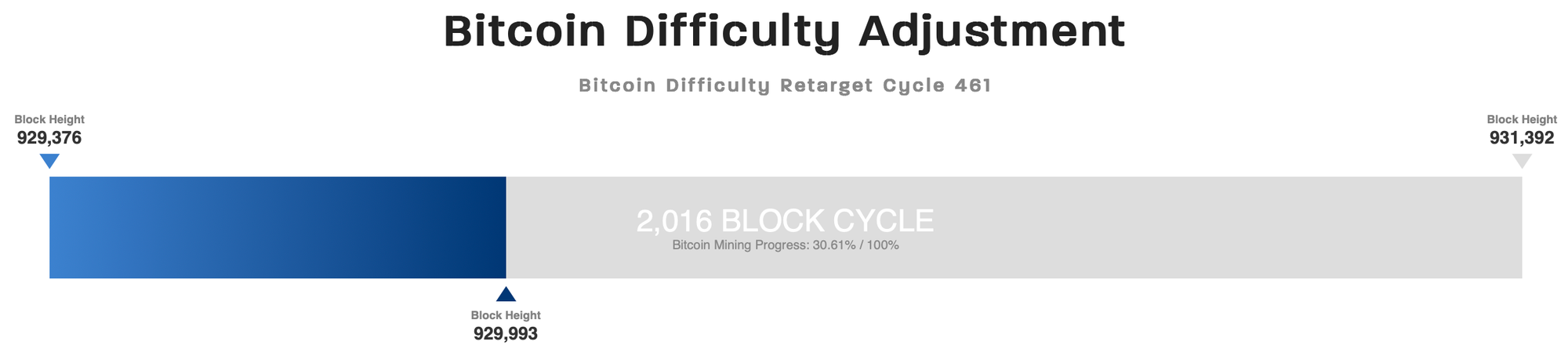
The network’s mining difficulty rose modestly to 148.2 trillion in the final adjustment of the year and is projected to climb to roughly 149 trillion at the next recalibration, scheduled for Jan. 8, 2026, at block height 931,392, according to data from CoinWarz.
Average block times are currently hovering around 9.95 minutes, slightly below Bitcoin’s 10-minute target.
When blocks are found too quickly, the protocol responds by increasing difficulty to slow production and restore balance.
A challenging year for miners
Mining difficulty hit multiple all-time highs in 2025, with two notable spikes in September during Bitcoin’s price rally. Those gains in network competition remained even after the sharp market downturn in October.
Higher difficulty raises the cost of participation for miners, requiring more computing power and energy to compete for the same block rewards.
For an industry already defined by thin margins and heavy capital investment, sustained difficulty increases add pressure, particularly during periods of price weakness.
Why difficulty adjustments matter
Bitcoin’s difficulty adjustment mechanism is one of its core safeguards. The network recalibrates difficulty every 2,016 blocks, roughly every two weeks, based on how quickly blocks were mined during the previous cycle.
If miners collectively add computing power and blocks are produced too fast, difficulty rises. If miners drop out and blocks slow down, difficulty falls. The goal is to keep block production close to one every 10 minutes, preserving Bitcoin’s predictable issuance schedule.
This system also plays a critical role in maintaining decentralization.
Without automatic adjustments, miners with large amounts of computing power could dominate block production, crowding out smaller operators and concentrating control.
Protecting the network and the supply schedule
Difficulty adjustments reduce the risk of a single miner, or coordinated group gaining excessive influence over the network. While a full 51% attack remains unlikely, even partial dominance could distort incentives, allow accelerated block production, and introduce selling pressure by concentrating rewards.
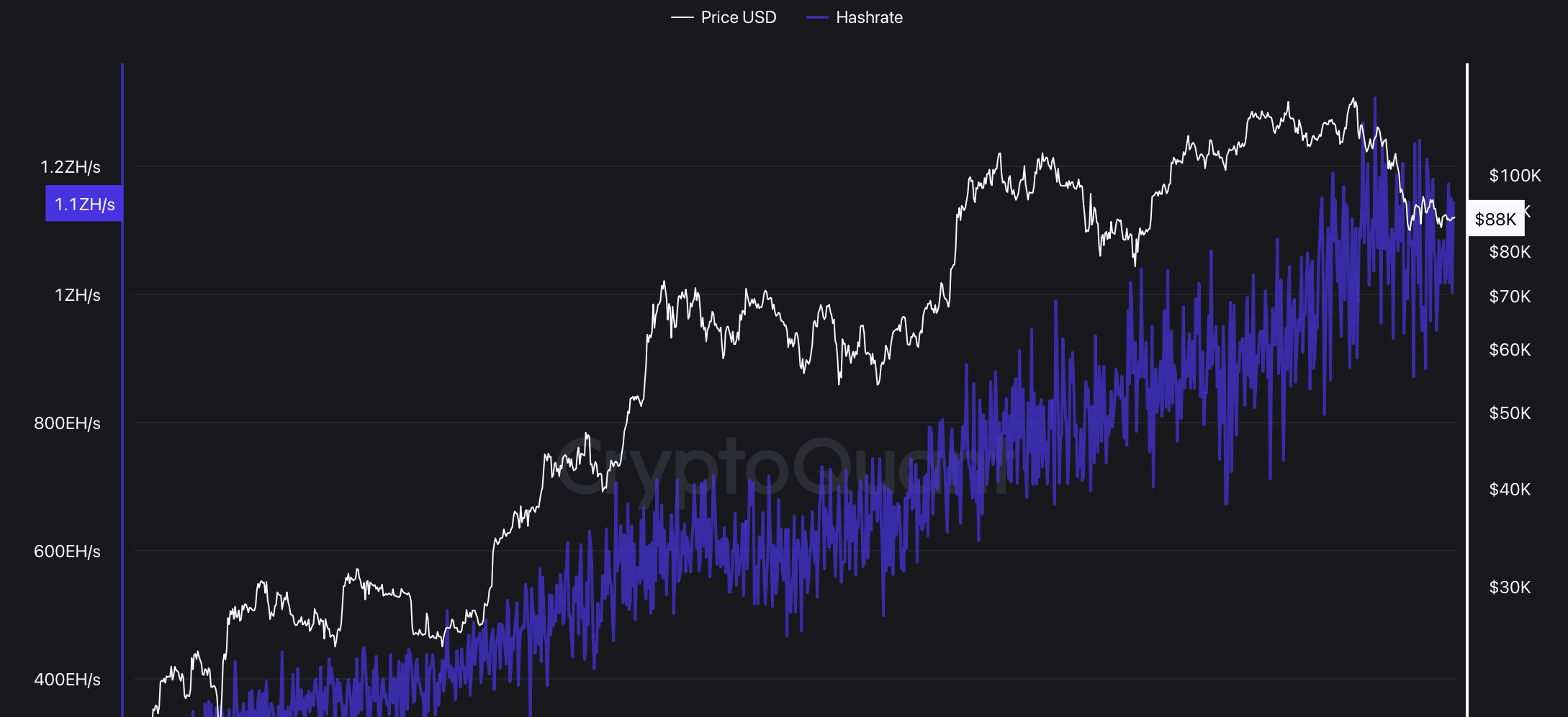
By scaling difficulty in proportion to total network hash rate, Bitcoin ensures that no participant can unilaterally alter the pace of issuance.
That balance protects both the integrity of the network and the credibility of Bitcoin’s fixed supply schedule, even as mining competition continues to intensify.
 Jordan V.
Disclaimer: All materials on this site are for informational purposes only. None of the material should be interpreted as investment advice. Please note that despite the nature of much of the material created and hosted on this website, HODL FM is not a financial reference resource, and the opinions of authors and other contributors are their own and should not be taken as financial advice. If you require advice. HODL FM strongly recommends contacting a qualified industry professional.