




What if you could make money by acting on things you’re already confident about: What will Trump say during a speech? Who will win an Oscar? Where will inflation land next month?
If you feel like you already know the answers, Kalshi lets you turn that conviction into a trade. Kalshi is a prediction market where real-world events become tradable contracts with a clear yes-or-no outcome.
In this article, we’ll break down how Kalshi works, how it compares to competitors, and whether it’s worth using in 2026.
What is Kalshi?
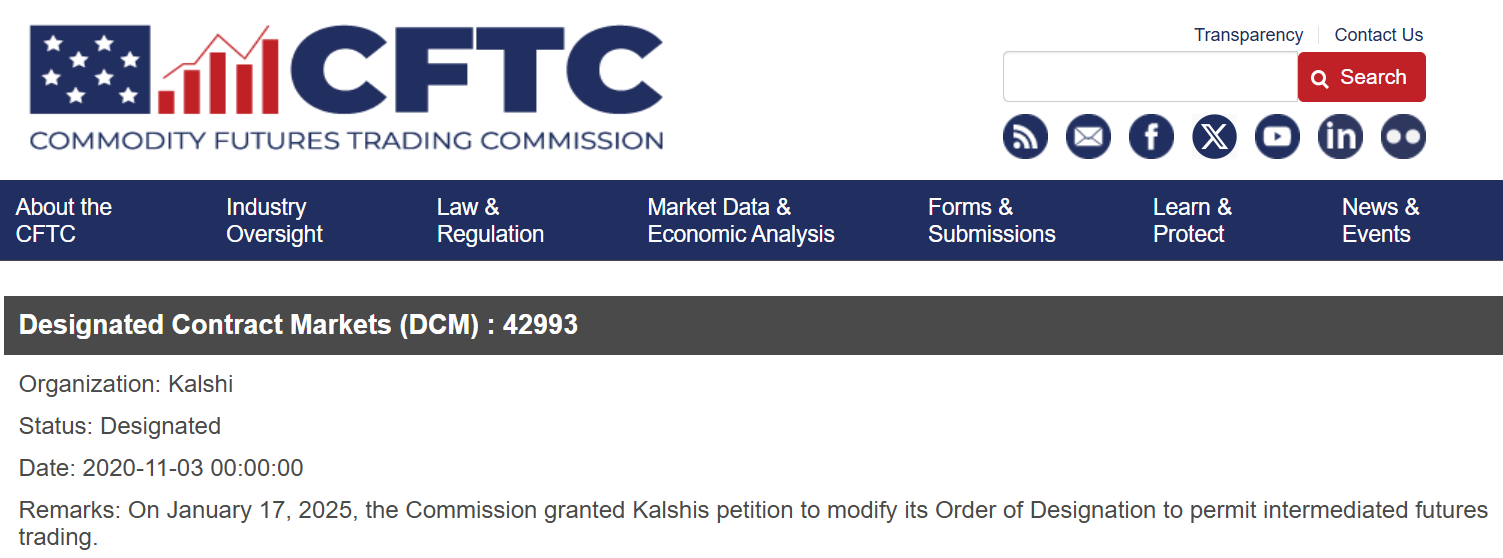
Kalshi is a U.S.-based prediction market where people trade on real-world events like elections, economic data, or major headlines. It’s the first prediction market in the U.S. approved by the Commodity Futures Trading Commission (CFTC).
It was founded by former MIT groupmates Tarek Mansour and Luana Lopes Lara. Before entering fintech, Lara trained as a professional ballerina. Following Kalshi’s latest valuation, it brought both founders a billionaire status. Tarek was included in the Forbes 30 Under 30 list in 2022. And Lara was proclaimed the world’s youngest self-made woman billionaire.

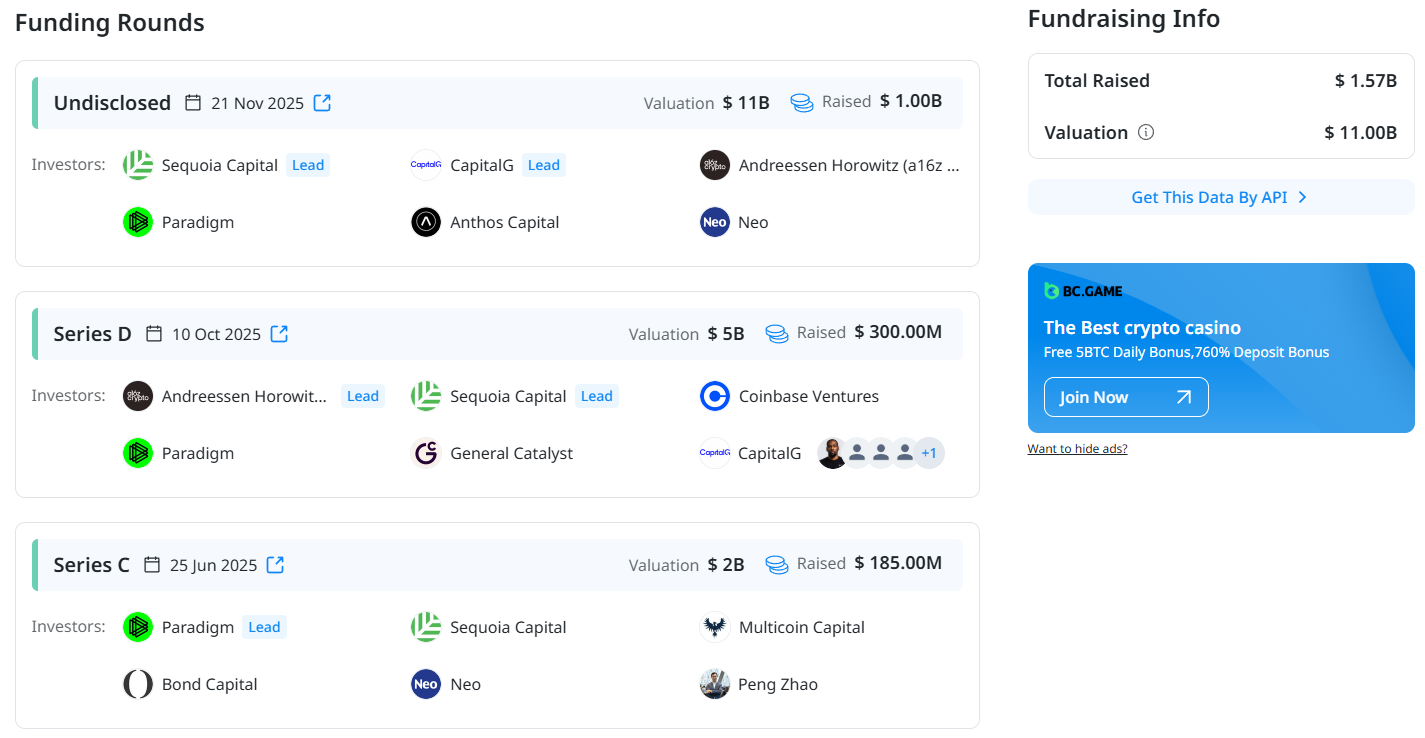
Kalshi has raised hundreds of millions of dollars from well-known funds like Paradigm, Andreessen Horowitz (a16z), Coinbase Ventures, and Multicoin Capital. In its latest round, the company announced a $1 billion raise that valued Kalshi at $11 billion and made its founders billionaires.
According to Semrush, 77% of Kalshi’s users come from the United States. The platform is integrated with Robinhood, so many users already have their identity verified, payment methods connected, and taxes set up.
Besides, it has partnered with Phantom, which allows users to access Kalshi markets directly from the wallet. Kalshi also supports Binance Smart Chain, making deposits and withdrawals in BNB and major stablecoins faster and cheaper.
How does Kalshi work?
Kalshi betting lets you trade probabilities. You can either hold your prediction to the end or trade as odds change.

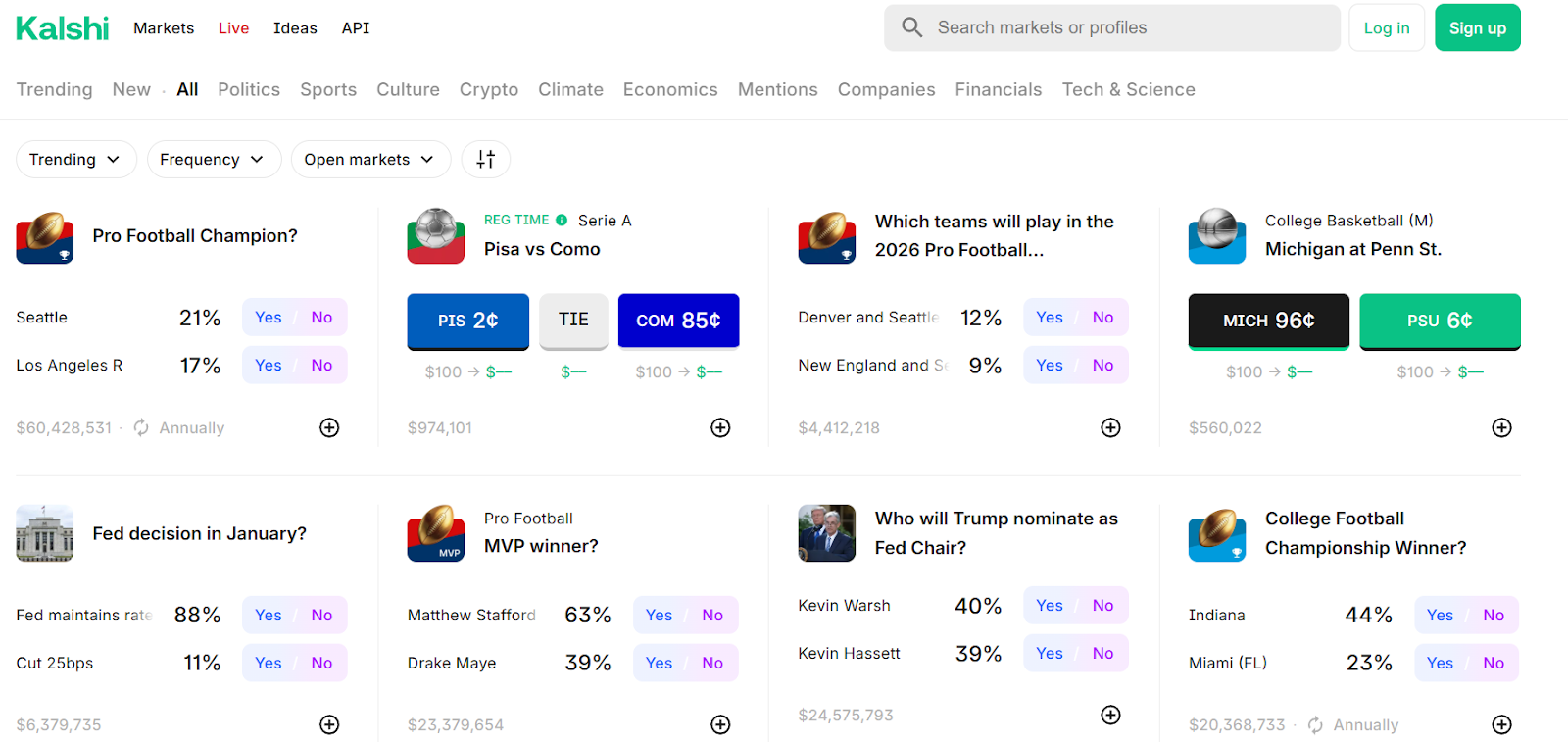
Let's take the question "Who will lead Venezuela at the end of 2026?" as an example. Each outcome has two options, "Yes or No," priced between $0.01 and $1.00. The price shows the market's estimated probability. If a Yes contract for Delcy Rodríguez costs $0.42, the market sees a 42% chance she becomes president.
When you buy a contract, you risk only what you pay. If you're right, the contract settles at $1; if you're wrong, it settles at $0. So buying at $0.42 can earn ($1 - $0.42 = $0.58), or lose $0.42.
Prices change as news and sentiment shift. You can sell anytime before the final result to lock in profits or cut losses.
Kalshi vs. competitors
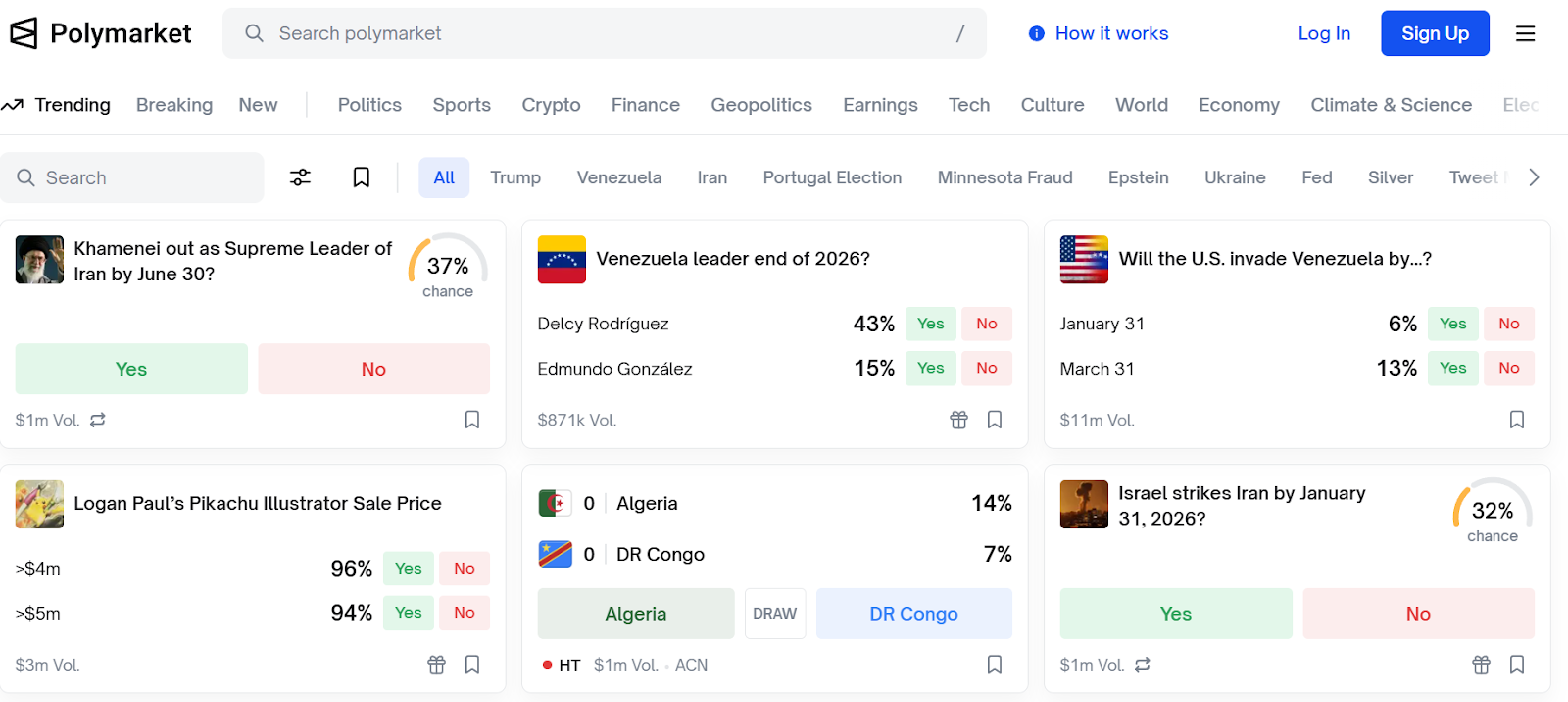
Polymarket is a decentralized platform on Polygon where users trade on real-world outcomes using USDC. The platform was founded in 2020 by Shayne Coplan. It saw a surge in users during the 2024 U.S. elections. Users wagered roughly 3.6 billion dollars on the single “Who will win the presidency?” market.
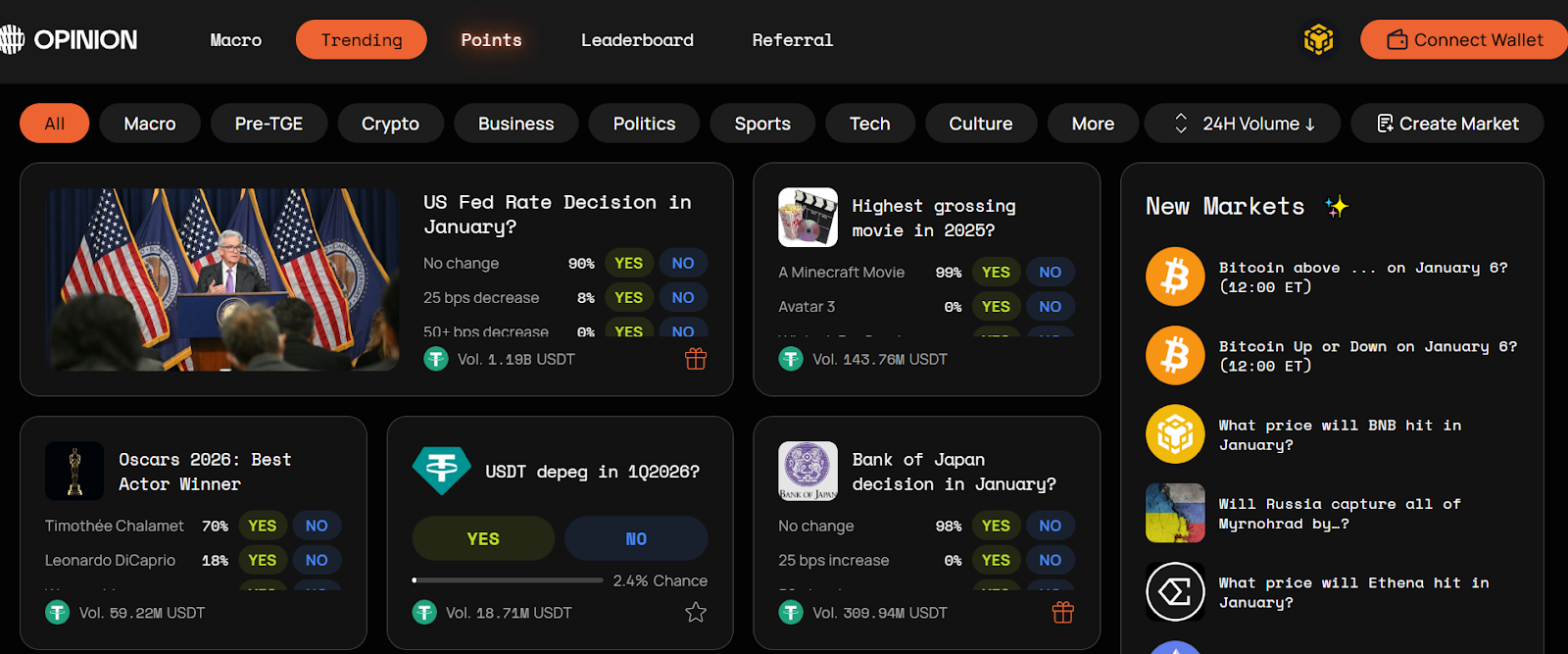
Opinion Labs is an AI-powered prediction market built on BNB Smart Chain and backed by Changpeng Zhao. Launched in March 2025, it focuses on crypto prices, politics, and market sentiment, and has attracted about 1.6 million users.
Here is a comparison table of Kalshi with its main competitors:
Key features of Kalshi
What actually makes Kalshi different from other prediction platforms like Polymarket and Opinion?
- Regulation and legality. Fully regulated by the CFTC, the platform is legal in all 50 U.S. states. Polymarket and Opinion are crypto-based platforms and don’t have this level of U.S. regulatory approval.
- How trading works. Kalshi works like a traditional exchange, using a central order book with market makers. Polymarket and Opinion, in turn, rely on automated systems like AMMs and oracles.
- Types of markets. The service mainly covers U.S. politics, sports, and economic data. Polymarket offers a mix of global, cultural, and crypto-related events. Opinion focuses mostly on crypto predictions.
- Settlement and users. Kalshi settles trades in U.S. dollars and can pay interest on balances, which appeals to U.S. users and institutions. Polymarket and Opinion settle in USDC or crypto with on-chain payouts.
Is Kalshi legit?
Yes, Kalshi is legit. It operates like a traditional U.S. financial exchange: it’s approved by the CFTC, follows strict KYC and AML rules, keeps customer funds separate, and requires all trades to be fully backed by real money.
Trades are settled through Kalshi Klear, a regulated clearinghouse that guarantees payouts, so users don’t rely on other traders to get paid.
Trading experience and interface
Let’s look at the key usability features of the platform step by step.
Registration and verification
1. Go to the website and click Sign Up. Register using your email address.
2. Confirm your email and create a password.
3. Enter your personal details: first name, last name, and date of birth.
4. Link a phone number (the phone number’s location and your KYC country don’t have to match).
5. Complete KYC verification via QR code. If verification fails on the first attempt, the account is often restricted — in that case, it’s usually better to register again.
Deposits and withdrawals
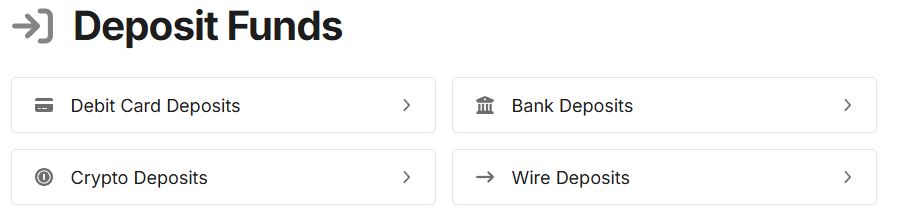
You can deposit funds using a bank card, Google Pay, or crypto. Crypto deposits support USDC on Arbitrum and Base, as well as wallets like Rabby or MetaMask. Withdrawals go to a linked crypto wallet and usually take 5–10 minutes. If you’re using a temporary number, it’s best to turn off SMS notifications.
Interface
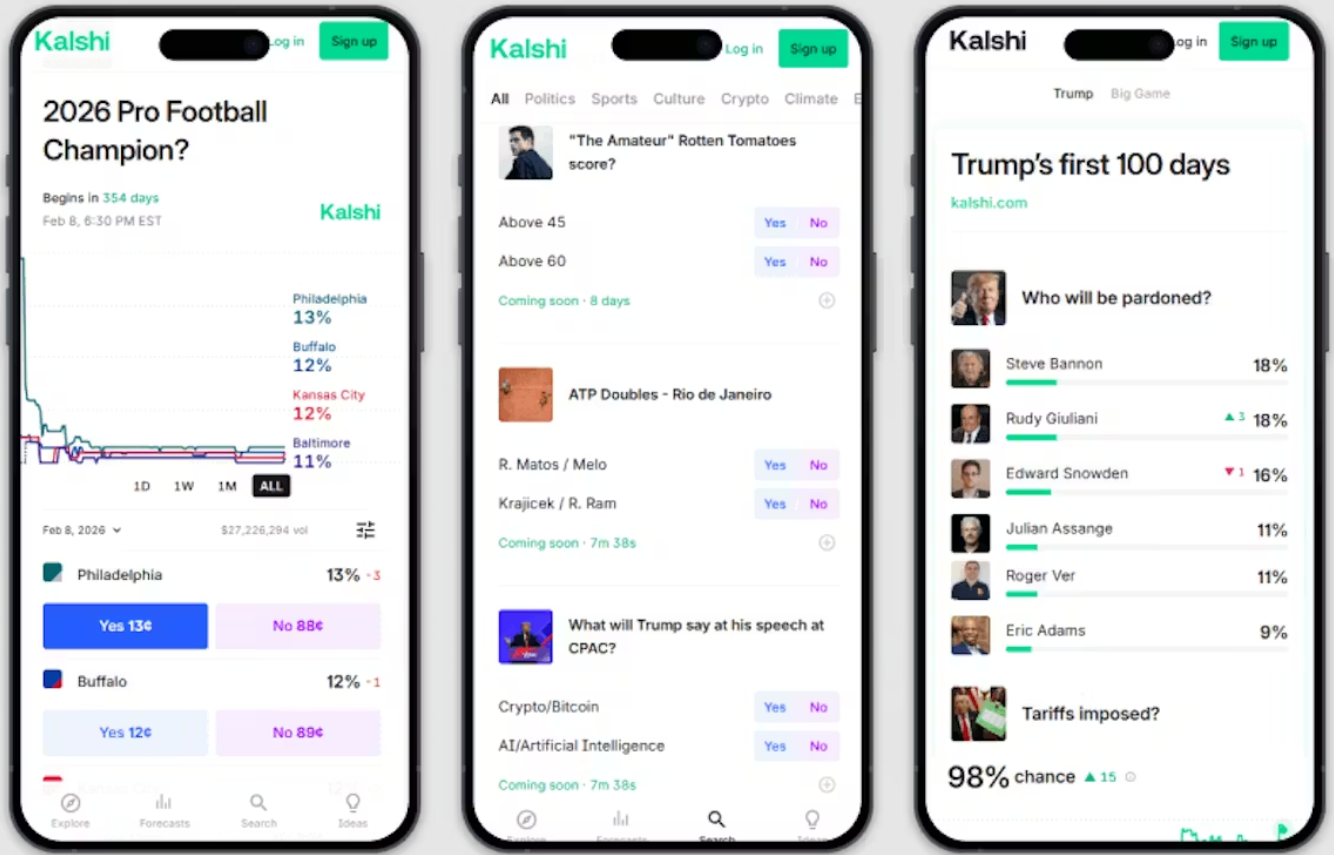
The interface is similar to Polymarket. For quicker trades, Kalshi also offers hourly markets. There’s also an Ideas section where users share market thoughts and trade ideas.
Mobile app
If you prefer doing everything on your phone, Kalshi has a mobile app for you. It’s available on both iOS and Android, and lets you monitor active markets, place trades, and track probabilities directly from your mobile device.
Markets you can trade on Kalshi
Instead of sharing opinions in the kitchen or over a beer with friends, you can actually make money from your views.
- Politics: election results, congressional control, policy decisions, or events like Kalshi government shutdown markets.
- Sports: football, basketball, baseball, soccer, MMA, boxing, golf, and more. Unlike sportsbooks, Kalshi sports betting focuses on clear yes-or-no event outcomes rather than bookmaker-set odds or point spreads.
- Economics and finance: inflation levels, interest rate changes, recession probabilities, or major stock index outcomes.
- Crypto and tech: Bitcoin price levels, crypto-related developments, or whether tech companies will launch IPOs by a certain date.
- Culture and entertainment: award shows like the Oscars or Grammys, outcomes in film, music, and reality TV.
- Climate, science, and global events: weather patterns, environmental outcomes, health-related milestones.
Fees and costs
Kalshi uses a formula-based fee that depends on how many contracts you trade and their price. In practice, this usually works out to one or two cents per contract. A 100-contract trade typically costs well under $2.
The fee is based on your potential profit, not the total amount you put in. That means extreme favorites or long shots cost less to trade than close, 50/50 outcomes.
If you place a limit order that sits on the order book (a maker order), you only pay a fee if it gets filled, and you pay nothing if you cancel it.
Wire transfers are free on Kalshi’s side. Debit deposits carry a 2% fee, and debit withdrawals cost $2. However, if you have a Kalshi promo code, you can reduce fees.
In comparison with Polymarket, Kalshi’s fees are generally higher (~1–2% vs ~0.01% per contract).
Pros and cons of Kalshi
Like any market, it has clear strengths and a few trade-offs to understand before jumping in.
Is Kalshi worth using in 2026?
Definitely yes, if you have insight into politics, macroeconomics, sports, or crypto-related events.
As another sign of how fast Kalshi is growing, Vlad Tenev, CEO of Robinhood and a Kalshi partner, said in a Bloomberg interview:
“We’re at a $200 million annualized revenue run rate for our prediction markets business, which would make it among, if not, number one of our fastest-growing businesses of all time.”
 Oleksii Shumak
Disclaimer: All materials on this site are for informational purposes only. None of the material should be interpreted as investment advice. Please note that despite the nature of much of the material created and hosted on this website, HODL FM is not a financial reference resource, and the opinions of authors and other contributors are their own and should not be taken as financial advice. If you require advice, HODL FM strongly recommends contacting a qualified industry professional.